
Celebrating 50 years of
memories and milestones.
To real estate developer Gilbert Edwards, farm life offered a wonderful way of life, but impractical for him to try to manage on his own. He gave up on his yearning to live on a farm, but couldn’t stop thinking about others who, like him, desired a country life without the sole responsibility of managing a large working farm. Out of that thinking came the concept of Farmcolony, a master-planned housing community with a working farm as its focus rather than the traditional amenities typically found in residential developments like a golf course or swimming pool or tennis courts.
Edwards was ahead of his time in real estate development. With the steady decline in the number of acres being used for farming each year in the U. S. and the decreasing number of farmers, Edwards stumbled upon an answer for both preservation and development. Urban sprawl – the loss of agricultural land for high density residential development – was a cause of concern at the time and attempts were being made to curtail the loss of agricultural land through such mechanisms as open space requirements, clustering and tax incentives. The Farmcolony concept – to keep as much of the agricultural land in farming as possible while using the remainder of non-farm land for residential development – became a viable alternative in agricultural land conservation.
In 1973 Edwards began operational planning. He hired Michael Redd, a landscape architect and vice president of a major land development company in Florida, to form Farmcolony, “a bucolic subdivison of 48 homesites with the right to buy, at cost, the beef, eggs and vegetables produced on a 150-acre common farm,” according to an early promotional brochure.
In November 1975 Farmcolony became a viable operation. Twenty lots were sold to people from up and down the East Coast, a majority of owners from the Washington, DC area, others from as far away as Florida, New York, Pennsylvania and Connecticut. They were a mix of people from young professionals working in DC as a retreat from city life to members who planned to live full-time. Two people began building homes. The first 10 families to build in Farmcolony were a diverse group. They ranged in age from the mid-20s to mid-60s, and in occupation from retired physicist to head of a solar development firm.
Moving to Stanardsville Redd sought to develop a self-sufficient, culturally oriented farm community. He and Edwards purchased four horses, two ponies, and 25 head of cattle, properly stocked the ponds with fish, repaired fences, and generally brought the farm up to excellent condition. They hired a local farmer, Raymond Shifflett, to serve as farm manager. The day to day responsibility of running the farm rested primarily on Shifflett who was paid a small wage to act as farm manager. Members who enjoyed farming chores also pitched in to help but no one was required to do any of the work.
The genius of Farmcolony was that residents purchased lots at prices that financed the purchase of the farm, then continued to contribute dues, labor, and even private donations toward its maintenance and operation. Farmcolony Historian Deborah Lee.
Government Structure
Once the conceptual design was completed, the most challenging job remaining was that of developing the best legal vehicle for Farmcolony. Edwards and Redd engaged a large law firm in Washington, DC to draw up the legal documents which set down the rules and regulations governing the homeowners’ association. The intent was to develop a legal system “which would allow the homesite owners flexibility in operating the farm and would design covenants and restrictions to benefit all owners in Farmcolony,” said Joseph H. Nash in Urban Land Magazine, February 1976. Nash was a former special assistant to the director of the office of planning and evaluation, environmental protection agency, Washington, DC, and a Farmcolony lot owner.
The result is a system whereby any person who purchases a lot at Farmcolony will receive title to the lot. Lot ownership carries with it automatic membership in the Farmcolony Homeowners’ Association (FCHOA) and the right to use the farm in conjunction with all other owners, including a completely furnished farmhouse for owner use and beef, eggs and vegetables for sale at cost.
The Association, it was determined, will own the common farm land, all the buildings, equipment, livestock and produce and approximately 40 acres of mountain preserve. The FCHOA will be comprised of only Farmcolony lot owners. The members will select from their group a board of directors which will make policy decisions regarding the farm and will take action affecting Farmcolony.
Both lots and common areas have restrictions which are subject to provisions of a deed of dedication and declaration of covenants, conditions, restrictions and easements. The declarations are restrictive only to the extent of ensuring the enjoyment and protecting the investment of all lot owners.
One of the reasons for keeping a history is not only to document and to learn more about the early history of Farmcolony, but to understand the history of the operations to guide a review of those by-laws and operating procedures so that we can move forward in a more informed manner. Farmcolony Historian Deborah Lee.
Lest we forget…
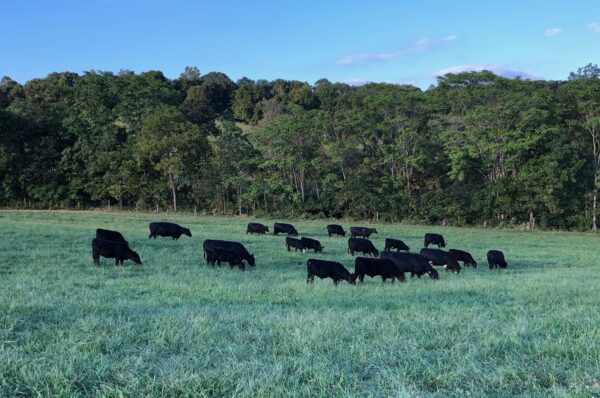
Farmcolony came into existence fifty years ago for those who desire to live an agrarian lifestyle, a concept in real estate development which spread rapidly across the nation. Fifty years later Farmcolony is still a working farm. Some things have changed in the operation of the farm over the last 50 years, the amount of livestock or a change in crops, but the concept remains the same – a farm-focused housing development that preserves the legacy of an 18th century landscape that provides a unique opportunity for people who desire it to live on a farm.
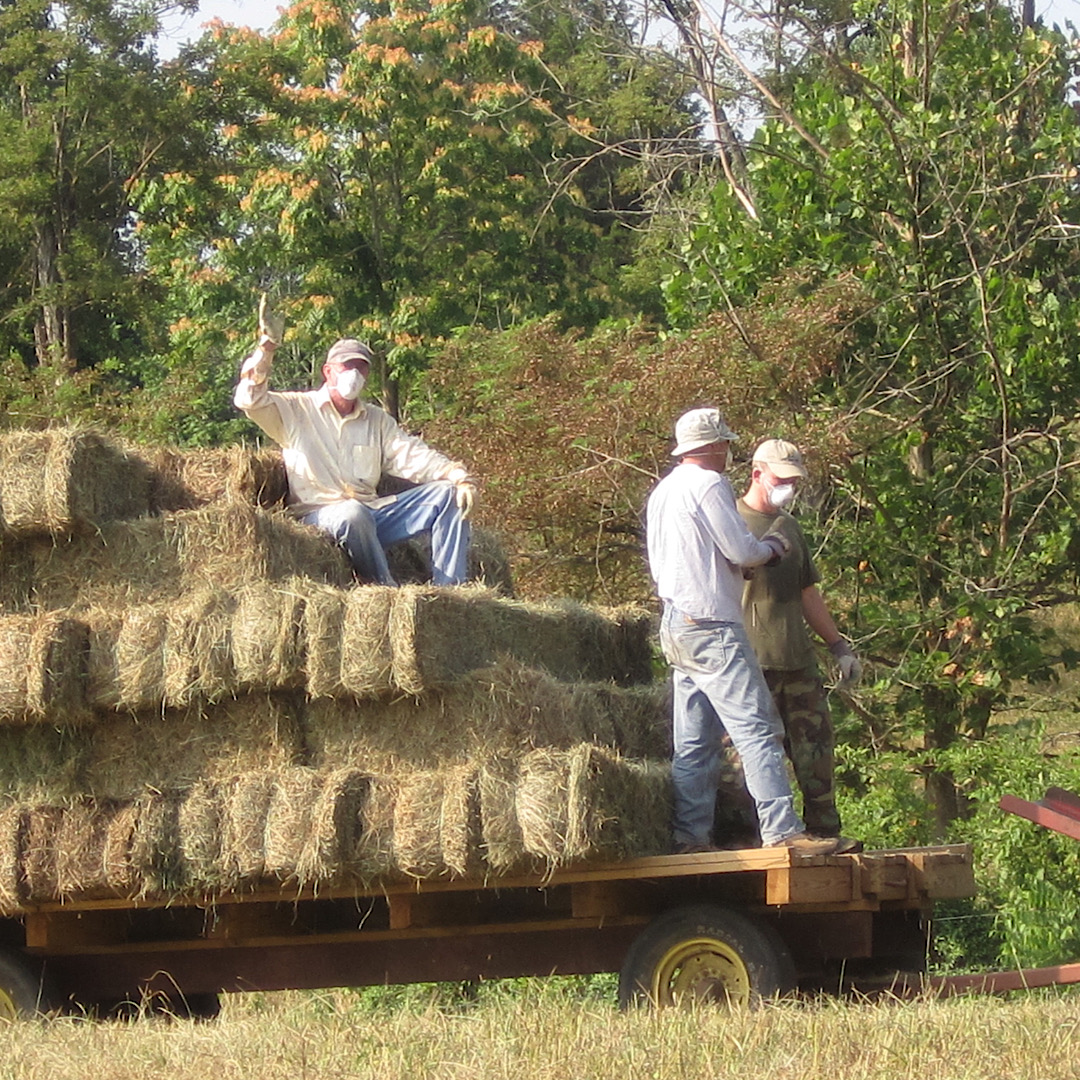
Residents carry out the day-to-day farm operations.
Farmcolony is run on the sweat equity of its members. Committees comprised of farm residents carry out the day-to-day farm operations. Each year, workdays are established to encourage residents to participate in the operation of the farm.
Helping to preserve Greene County’s agricultural heritage.
This interesting concept of land use is not only creating a desirable environment for the residents of the farm, but it is also helping to preserve Greene County’s agricultural heritage.
The Farmcolony Concept Becomes a hot new trend
The Farmcolony concept, a residential neighborhood built around a working farm envisioned by Edwards and Redd in the 1970s, has become a hot trend in new home development. Farm-focused housing developments, commonly called “agrihoods” (short for agricultural neighborhoods), have since popped up all over the country. Today there are an estimated 200+ agrihoods across at least 30 states in the United States. Defined as “single-family, multifamily, or mixed-use communities built with a working farm or community garden as a focus,” agrihoods can vary dramatically in total acreage, number of home sites, and farm size. The smallest agrihoods are sometimes called microhoods, which consist of less than a dozen homes that surround a large community garden or small farm.
The most common agrihoods in the United States range in size from 100 to 1,000 home units, with a significant portion of land set aside for the working farm and protected areas. At the largest end of the agrihood spectrum are developments with several thousand homes and hundreds of acres set aside for farming or land conservation. In some cases, high-end homes are the norm, with million-dollar homes common. On the other end of the spectrum, some agrihoods target low-income and senior citizens.
With the dramatic growth of agrihoods, a whole new field of study has emerged on how to set up farming communities like Farmcolony with professionals in the field who for a fee will advise agrihoods on how to operate the farming portion of the community so that it can sustain itself. For guidance, many developers turn to suburban farm consultants like Agriburbia in Golden, Colorado, and Farmer D Organics in Atlanta, which assist in choosing farm sites, building the requisite infrastructure and hiring farmers who work for salary or in exchange for housing and proceeds of whatever they harvest.
Agrihoods are particularly desirable among millennials who represent the largest segment of American homebuyers today. Driving the demand are the local-food movement and the aspirations of many Americans to be gentlemen (or gentlewomen) farmers.
Lessons Learned in Agrihood Development
The Urban Land Institute (ULI), a global network of real estate and land use leaders, has identified several key “lessons learned” in the development of agrihoods. Here’s a list based on ULI research:
- Don’t count on residents to do the farming or gardening. While residents appreciate having access to fresh, healthy food and the agrarian lifestyle, most are not interested in the day-to-day work of farming or gardening. Agrihoods should typically employ a professional farm manager and staff to handle farm operations.
- Farms can be a successful amenity. Agrihoods can be a compelling alternative to traditional amenities like golf courses, as they offer unique lifestyle benefits and can attract buyers interested in healthy living and community building.
- Location matters. The farm should be strategically located within the community, preferably in the center, to maximize resident engagement and reinforce the agrihood’s identity. Placing the farm at the periphery diminishes its impact.
- Do your homework. Thoroughly assess soil, water, and climate conditions to ensure the farm’s viability and sustainability. Water costs, in particular, can be a major expense.
- Figure out the financing. Agrihoods may require upfront investment in farm infrastructure, and revenue streams need to be carefully considered. Homeowner association fees, grants, and innovative partnerships can contribute to farm sustainability.
- Form partnerships. Collaboration with local institutions, nonprofits, and community groups is crucial for creating authentic and sustainable agrihoods that align with local priorities and support the farm and its programs in the long run.
- Engage residents through programming. Develop a variety of programs and activities around the farm to involve residents and foster a sense of community. This could include educational workshops, community events, and family-friendly activities.
- Set clear boundaries. Clearly define the areas for community gardens and those managed by farm staff to prevent residents from inadvertently impacting farm operations.
- Hire the right staff. The farm manager needs strong agricultural expertise, excellent people skills to engage residents, and a good understanding of the community’s goals.
- Plan early and strategically. Integrate the farm into the initial stages of development planning, rather than treating it as an afterthought. Establishing a stable and productive farm takes time.
In essence, ULI surmises that while agrihoods offer significant potential for enhancing community life and promoting healthy living, successful development requires careful planning, effective management, and a realistic understanding of resident engagement and the financial realities of farming.